Start with the venue, not the guest list
The most common mistake in event security planning is scaling the plan to the guest count instead of the venue. A 500-person private party in a single-exit space needs a tighter access-control plan than a 5,000-person outdoor festival with multiple entrances and open sightlines. The venue's physical layout — exits, choke points, sightlines, parking — should shape the plan before headcount does.
The planning sequence that actually holds up
Scale changes the plan, not just the headcount
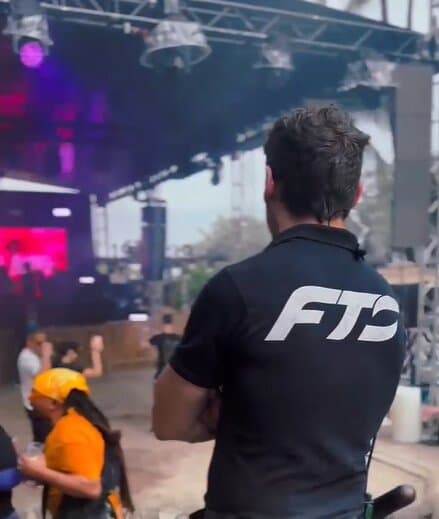
Federal Tactics has run security for events ranging from private parties to programs on the scale of Ultra Music Festival and Art Basel here in Miami. The jump from a private event to a citywide one isn't just more officers — it's a different plan: coordination with municipal authorities, a different crowd-density model, and crisis-response protocols that assume emergency services will take longer to reach the center of the crowd.
The planning sequence above works at both scales. What changes is how many people it takes to execute it, and how far in advance the site walk needs to happen.